Long reach across open approaches
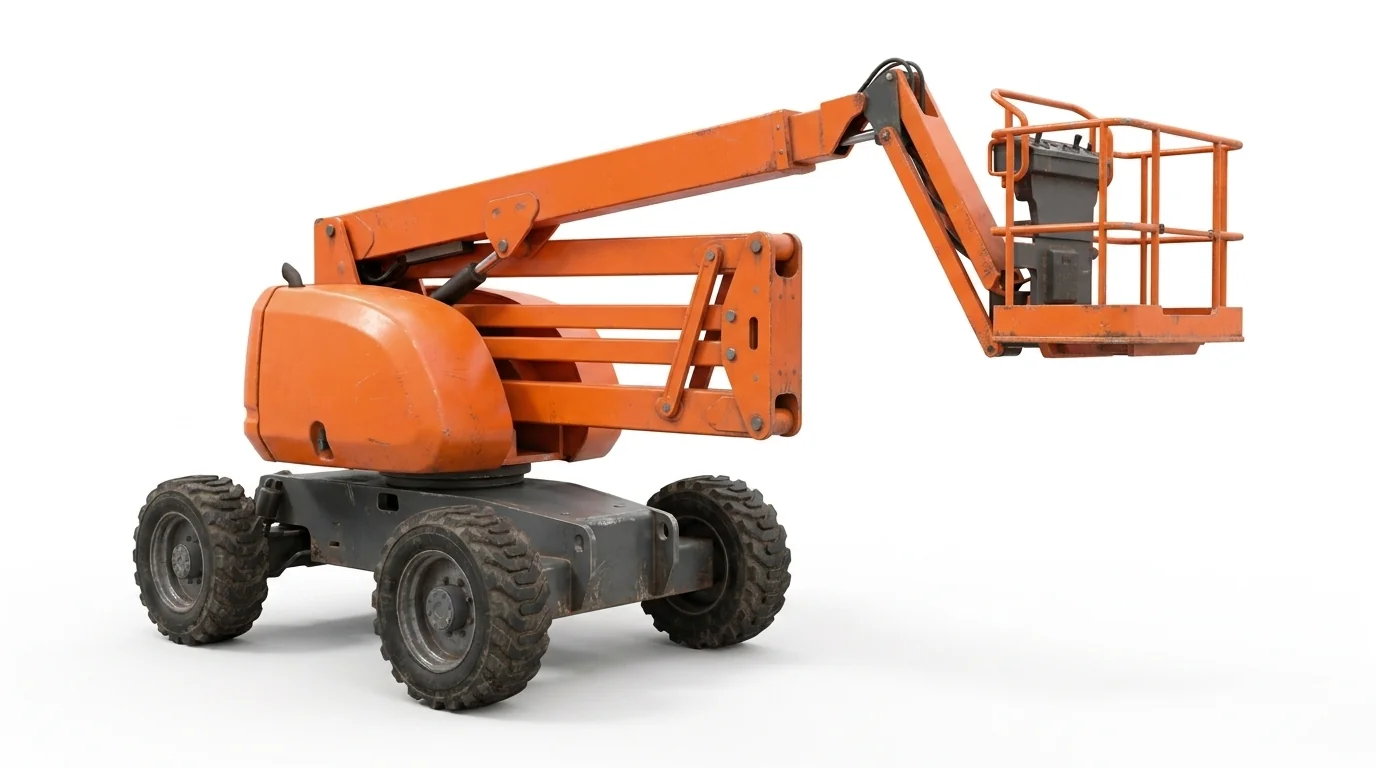
Straight booms are chosen for exterior cladding, sign work, and structural tasks where the work sits high and far. Measure the required vertical height and the horizontal distance you cannot cross with the base. If the path is truly direct, telescoping sections provide predictable positioning compared with jointed booms at /articulating-boom-lift-rental/.
Exposure on open sites
Open South Plains jobsites see sustained gusts and airborne dust. Planning typically weighs:
- Whether the task can be staged on the lee side of a structure to reduce exposure.
- If the same work could be done from a closer, sheltered position using an articulating unit.
- That site procedures and the specific unit’s instructions govern any elevation in wind.
Surface support and transport width
Long-reach units bring heavier chassis and wider tails. On local distribution buildings and industrial sites, confirm:
- Access routes free of soft shoulders or unfinished subgrades, especially near new concrete pours.
- Turning room around corners, dock aprons, and gate posts.
- Whether an interior phase needs a different machine type, such as /electric-scissor-lift-rental/ for finished floors.
Tasks that pair well
- Façade repairs where the lift parks beyond landscaping or drainage swales.
- Steel or pipe gallery work along the edge of large pads.
- Lighting and signage with minimal obstructions along the reach path. For complex overhangs, see /articulating-boom-lift-rental/.
Support equipment for multi-day exterior work
Projects that run after daylight or through shift changes often add /generators-light-towers-rental/ for illumination and power and may stage with /temporary-fencing-barricades-rental/ where yards are open to windblown debris.