Site patterns around Lubbock
Large buildings, long travel distances, and open exposures shape lift choices. Dust and wind influence outdoor scheduling, while interior work favors electric machines with non‑marking tires and compact footprints.
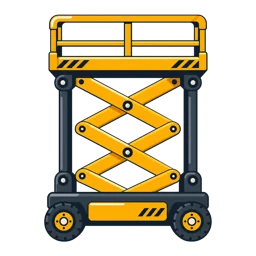
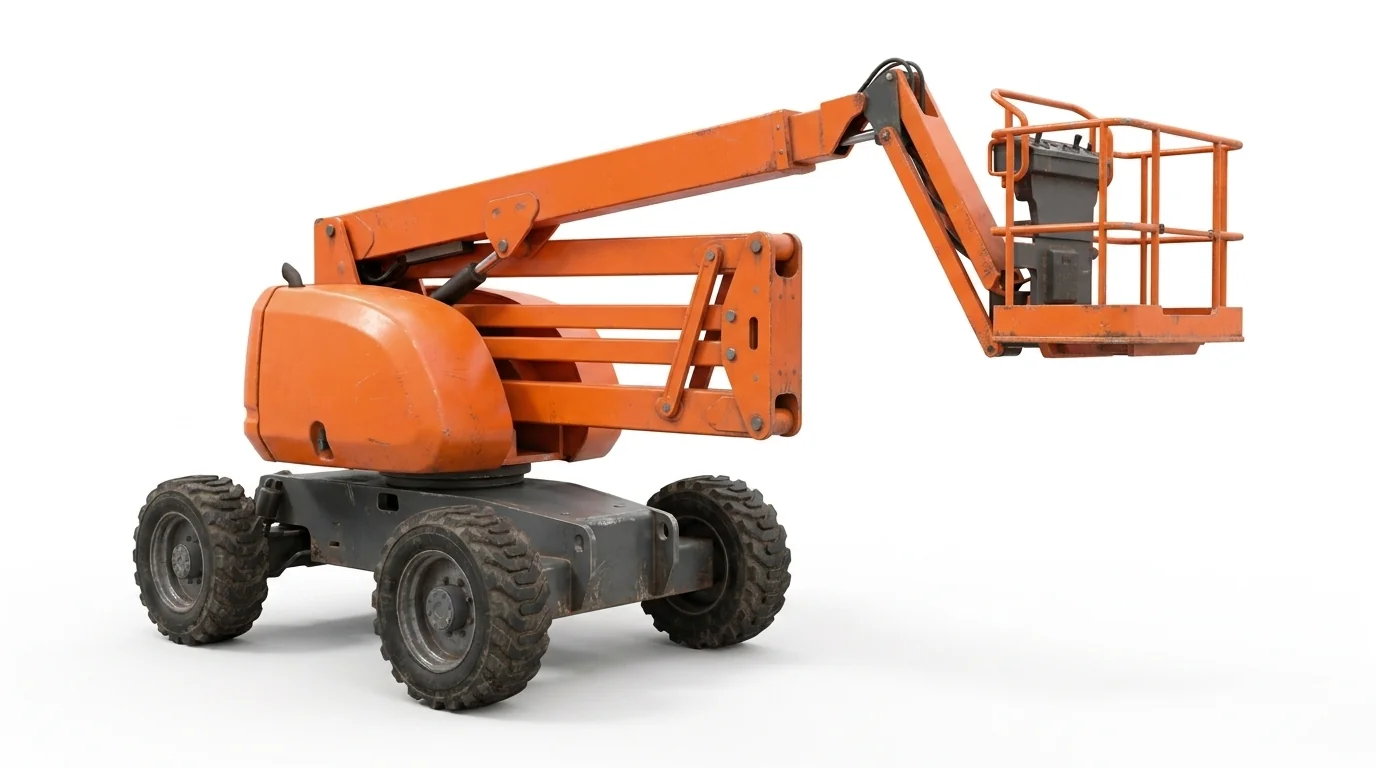
Scissor vs. boom, by constraint
- Directly under the work: start with /electric-scissor-lift-rental/ for interiors or /rough-terrain-scissor-lift-rental/ for yards and shells.
- Need to reach over dock lines, canopies, or process equipment: see /boom-lift-rental/.
- Mixed scopes on the same day: review machine weights, transport logistics, and doorway sizes to avoid dead‑ends.
Measurements that narrow the choice
- Working height and any horizontal reach required
- Door and gate clear widths and heights from staging to task
- Floor rating and ground bearing along the route and at the work position
- Exposure level at exterior elevations
Common pairings
- Electric scissor inside with an articulating boom outside for facade punch lists
- Compact scissor for corridors with a vertical option for tight mechanical rooms (see /vertical-mast-lift-rental/ if available on your project)
Keep the comparison specific
A useful equipment discussion starts with the work height, the practical machine position, the route into the area, the floor or ground along that route, and the people, tools, or material involved. Those details clarify whether vertical access, outreach, or material placement is the real constraint.