Choose by obstacle layout
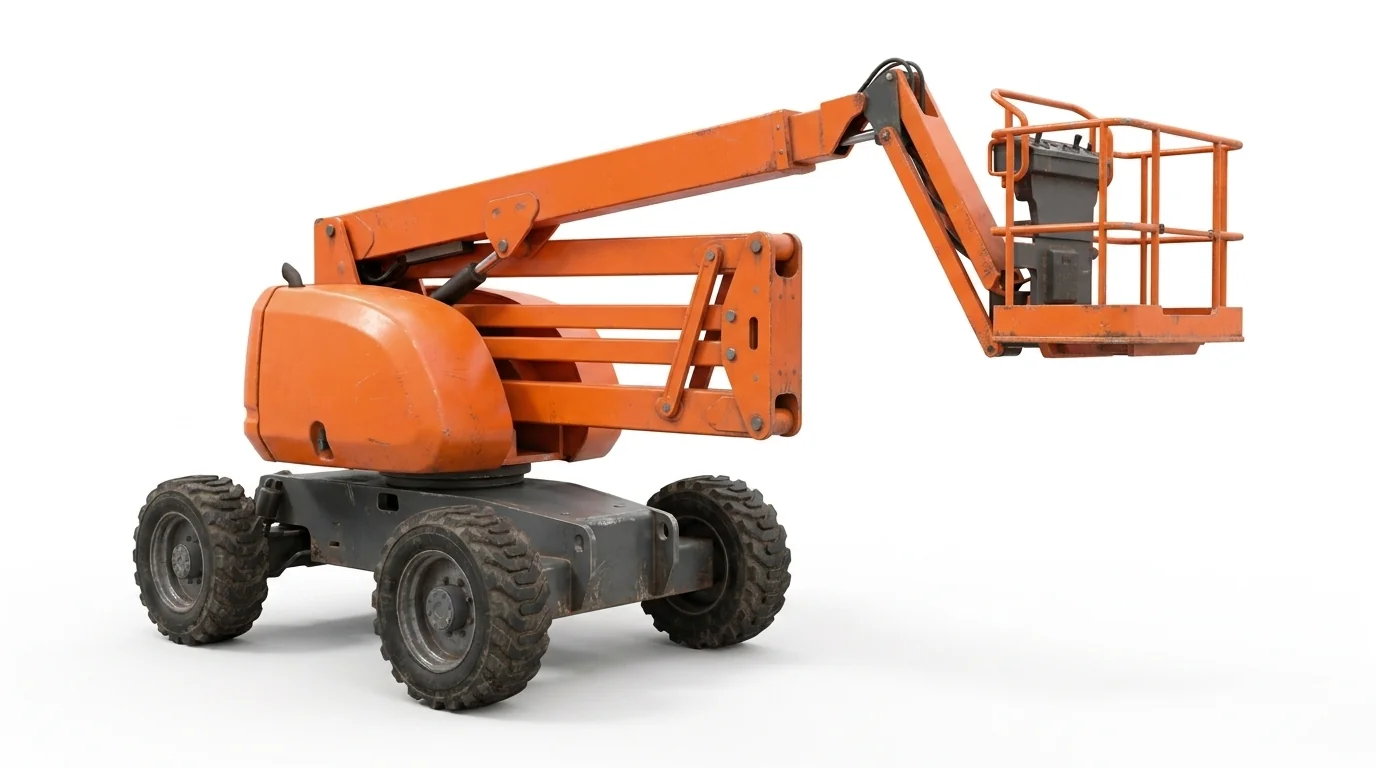
- Articulating boom: best where the path up and over piping, conveyors, or canopies is complex.
- Telescopic boom: best for straight, long outreach when the set‑back distance is large and the path is clear.
Measure the horizontal distance from the closest safe parking spot to the work, then add vertical height to estimate required reach.
Lubbock site factors
Open wind exposure can pause exterior boom work. Dust and long site distances favor booms with robust guarding and travel capability. For indoor use, verify slab ratings and doorway sizes; many booms exceed common interior limits unless the building is designed for heavy equipment access.
When a scissor is more efficient
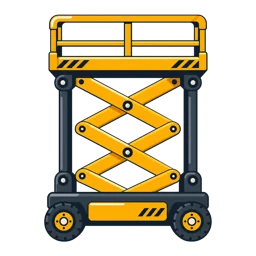
If the platform can sit beneath the task and materials need space at height, a scissor lift may be faster to stage. See /electric-scissor-lift-rental/ for interiors and /rough-terrain-scissor-lift-rental/ for yards and shells.
Planning measurements
- Horizontal reach from parking to work face
- Height of the task and any overhead obstructions
- Gate widths, ramp slopes, and floor or soil capacity along the route
Keep the comparison specific
A useful equipment discussion starts with the work height, the practical machine position, the route into the area, the floor or ground along that route, and the people, tools, or material involved. Those details clarify whether vertical access, outreach, or material placement is the real constraint.